Got an old tree stump staring at you from the yard? Maybe it's an eyesore, a tripping hazard, or just in the way of your landscaping dreams. Getting rid of it seems simple enough, right? You call a few guys, get some quotes, pick one, and poof, it's gone. Well, not always. I've seen plenty of folks in Davis make some pretty common, and often costly, mistakes when it comes to stump grinding and removal. Let's talk about what to watch out for so you don't end up regretting your decision.
Mistake #1: Not Knowing the Difference Between Grinding and Removal
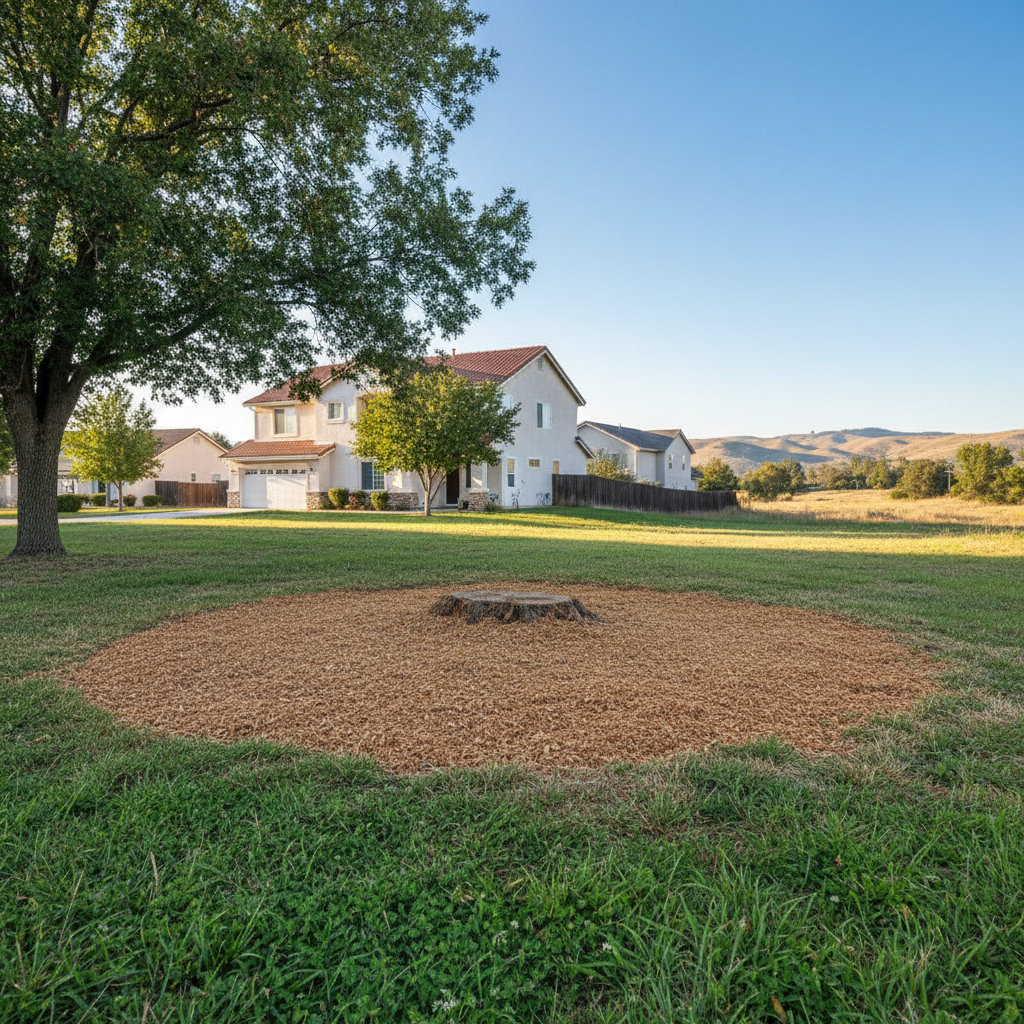
This is a big one. A lot of people use these terms interchangeably, but they're not the same thing. Stump grinding means a machine grinds the stump down to chips, usually 6 to 12 inches below grade. The main root ball is still there, just buried. You'll have a pile of wood chips and dirt where the stump used to be. Removal, on the other hand, means getting the whole thing out – stump, major roots, everything. This is a much bigger job, often requiring heavy equipment, and it leaves a significant hole that needs filling. Most of the time, for your average backyard stump, grinding is sufficient. But if you're planning to build a patio, pour concrete, or plant a new tree in that exact spot, you might need full removal. Make sure you're clear with your contractor about what you expect.
Mistake #2: Focusing Only on the Lowest Bid
I get it, everyone wants a good deal. But when it comes to tree work, the lowest bid isn't always the best. Sometimes it means corners are being cut. Maybe they're not fully insured, or they're using old, poorly maintained equipment. I've seen situations where a cheap grinder leaves a mess, damages irrigation lines, or doesn't grind deep enough, leaving you with a half-finished job and more headaches. Ask for proof of insurance – liability and workers' comp. A reputable company won't hesitate to provide it. If they hem and haw, that's a huge red flag. You don't want to be on the hook if someone gets hurt on your property or if your sprinkler system gets chewed up.
Mistake #3: Not Considering the Mess (and the Cleanup)
Stump grinding creates a lot of wood chips and dirt. A LOT. Some contractors will just leave that pile for you to deal with. Others include hauling it away in their quote. Make sure you clarify this upfront. Do you want to keep the chips for mulch? Great, but know you'll have a big mound to spread. Do you want it all gone? Make sure it's in the agreement. Also, consider the surrounding area. Grinders throw debris. Good contractors will use tarps or screens to protect your house, fences, and plants. Ask about their plan for site protection and cleanup. You don't want wood chips embedded in your siding or a broken window because someone wasn't careful.
Mistake #4: Ignoring Underground Utilities
This is critical. Before any digging or grinding starts, you absolutely must call 811, the Dig Alert hotline. It's free, and it's the law. They'll mark public utility lines (gas, water, power, communications). But here's the kicker: they don't mark private lines. That includes your irrigation system, landscape lighting, or even a buried dog fence. In older Davis neighborhoods, especially those with mature trees like in Central Davis, roots can grow all over the place, sometimes wrapping around these lines. Discuss this with your contractor. Point out where you know lines are. A good contractor will also use a shovel to carefully expose the top of the stump and look for anything obvious before firing up the grinder. Hitting a gas line is no joke, and hitting an irrigation line can turn a simple job into an expensive repair.
Mistake #5: Not Thinking About What Comes Next
So, the stump's gone (or ground down). What's next for that spot? If you're planting grass, you'll need to remove the wood chips and replace them with good topsoil. Wood chips decompose slowly and can deplete nitrogen from the soil, making it hard for new grass or plants to thrive. If you're planting a new tree, remember that the old root system is still there, especially if you only ground it. The new tree's roots might struggle to establish themselves in the disturbed soil and compete with decaying wood. Sometimes, it's better to choose a slightly different spot or opt for full removal if you're putting in a replacement tree. At Midway Tree, we always talk through your future plans for the area so we can recommend the best approach for the stump removal itself.
Taking a little extra time to ask the right questions and understand the process can save you a lot of hassle and money down the road. Don't rush into it; do your homework, and you'll be much happier with the results.