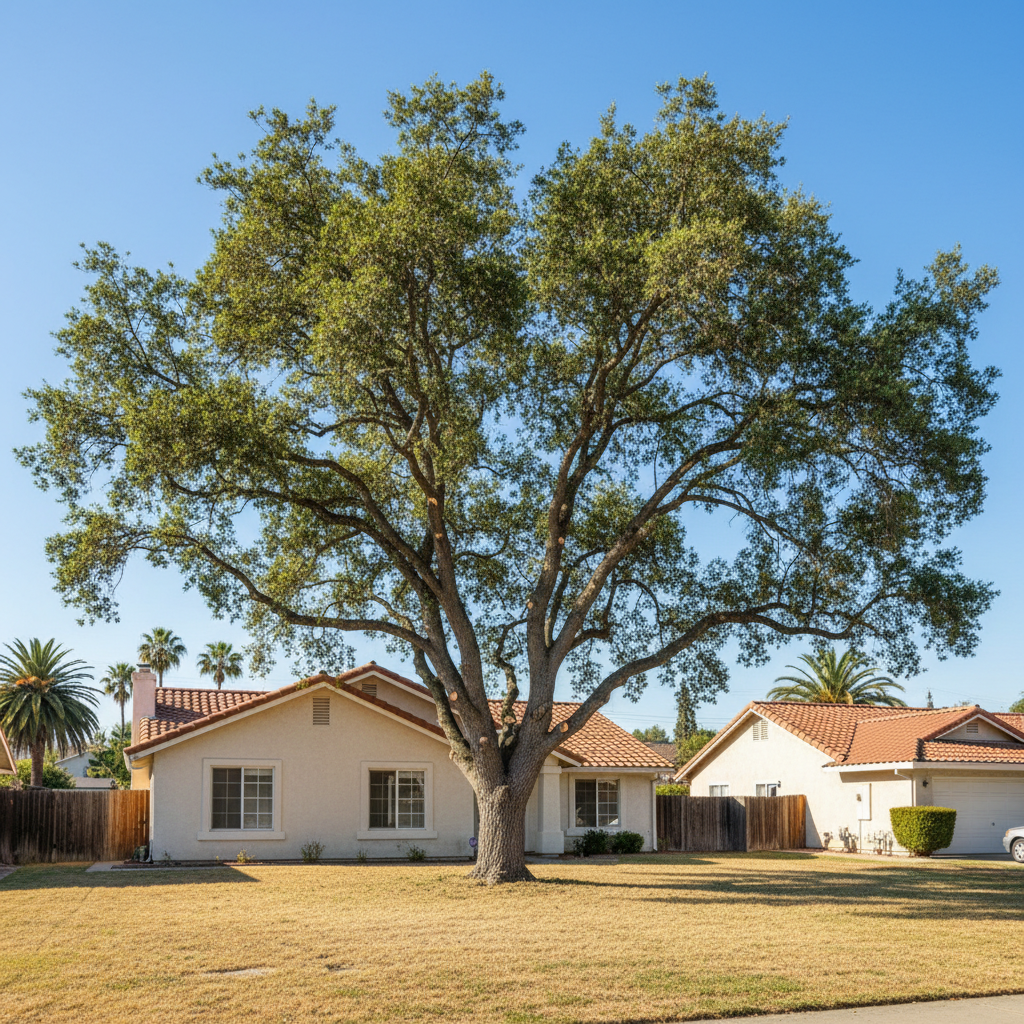
You've got trees on your property, and you know they need trimming. But when's the right time? It's a question I get asked a lot here in Davis, and for good reason. Our local climate, with its long, hot summers and mild, wet winters, means we've got some specific considerations when it comes to tree care.
The Best Time to Prune: Dormancy is Key
For most deciduous trees – that's the kind that lose their leaves in the fall – the absolute best time for major pruning is during their dormant season. Think late fall, after the leaves have dropped, all the way through winter, before new buds start to swell in early spring. Why then?
- When a tree is dormant, it's not actively growing. That means it's less stressed by pruning cuts.
- There's less risk of disease or pest infestation because those critters are usually less active in winter too.
- Without leaves, it's much easier to see the tree's structure. You can make better, more informed cuts to improve its shape, remove crossing branches, or address any structural issues.
- The tree has all spring and summer to put its energy into healing those cuts and growing strong.
Now, for evergreen trees, it's a bit different. They don't really go dormant in the same way. For evergreens, you generally want to prune them when they're not actively flushing new growth, usually in late winter or early spring before the big growth spurt, or in late summer after that initial burst of growth has hardened off. We're talking about things like our live oaks or those big, beautiful cedars you see around town.
What About Summer Pruning?
You can do some light pruning in the summer, but it's usually for specific reasons. If you've got a branch that's clearly dead, diseased, or broken, get it off whenever you notice it. That's called 'hazard reduction' or 'corrective pruning,' and it's always fair game. Sometimes, you might need to do a little bit of thinning to improve air circulation or let more light into your yard. Just don't go crazy with heavy cuts in the summer, especially not during those scorching July and August days we get here. Pruning stresses a tree, and adding 100-degree heat to that stress isn't doing it any favors.
Weather Conditions and the Work
Our Davis weather definitely plays a role in when we can get work done safely and effectively. You wouldn't believe how many times I've had to reschedule jobs because of unexpected rain or high winds. Here's what I look out for:
- High Winds: This is a big one. Climbing a tree in strong winds is dangerous for my crew and for your property. Plus, trying to control falling branches when they're being tossed around by gusts? Not ideal. We'll always reschedule if it's too windy.
- Heavy Rain: Wet branches are slippery, and climbing gear can lose its grip. It also makes cleanup a muddy mess. Light drizzle is usually fine, but a downpour means we're hitting pause.
- Extreme Heat: Like I said, summer pruning is already a bit of a stressor. Working in 105-degree heat is just plain dangerous for the crew. We might start earlier in the day or push some jobs to cooler weeks.
- Frost/Ice: Not super common here, but if we get a hard freeze, branches can become brittle. Pruning then can cause more damage than good.
The bottom line is, we prioritize safety and the health of your trees. If the weather isn't cooperating, we'll communicate with you and find a better time.
Protecting Your Investment Year-Round
Your trees are a big part of your property's value and aesthetic. Protecting them isn't just about pruning; it's about consistent care.
- Watering: Especially for younger trees, and even mature ones during our dry spells, consistent watering is crucial. Deep, infrequent watering is better than shallow, frequent sprinkles. Think about those big Valley oaks in the older parts of town – they've got deep roots, but even they appreciate some help during a drought.
- Mulching: A good layer of organic mulch around the base of your trees helps retain moisture, regulate soil temperature, and suppresses weeds. Just keep it a few inches away from the trunk itself.
- Regular Check-ups: Walk around your yard every now and then. Look for anything unusual – strange growths, discolored leaves, sawdust at the base. Catching problems early can save your tree.
- Professional Advice: Don't guess. If you're unsure about a tree's health or what kind of pruning it needs, call in a pro. That's what Midway Tree is here for. We can assess your trees, give you an honest opinion, and help you plan a maintenance schedule that keeps your trees healthy and beautiful for years to come.
Taking care of your trees is an ongoing commitment, but it's one that pays off. Healthy trees add value, provide shade, and make your home a nicer place to be.