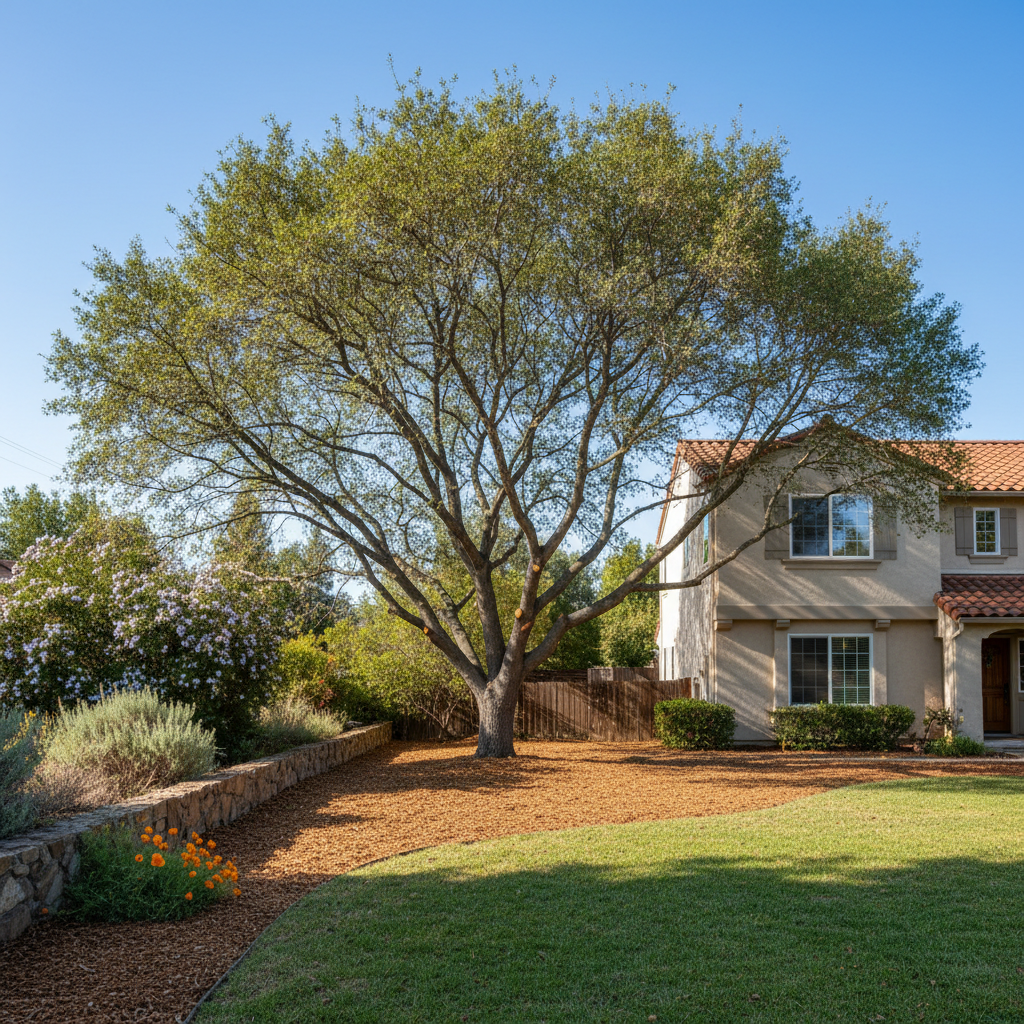
So, you've had your trees professionally pruned. Great move! It's an investment in your property's beauty and safety. But that's not a 'one and done' deal if you want to keep those trees thriving and looking their best for years. Think of it like getting your car serviced; you don't just drive it until it breaks down, right? You do regular oil changes and checkups. Trees need a similar kind of ongoing attention, especially here in Davis.
Extending the Life of Your Pruning Work
When we prune a tree, we're not just hacking off branches. We're making strategic cuts to improve its structure, health, and appearance. To make that work last, you need to understand what helps a tree recover and maintain its shape. First off, proper watering is huge. Especially after a major pruning, a tree uses a lot of energy to heal those wounds and put out new growth. During our long, hot summers, even mature trees can get stressed. Make sure they're getting deep, infrequent watering, not just a shallow sprinkle. A good soak once a week or every ten days is usually better than a little bit every day.
Mulching is another big one. A good layer of organic mulch (like wood chips) around the base of your tree, but not touching the trunk, does wonders. It helps retain soil moisture, keeps weeds down, and moderates soil temperature. Plus, as it breaks down, it feeds the soil. This all contributes to a healthier tree that can better hold its shape and resist pests and diseases.
And honestly, just giving your trees some space helps. Avoid piling dirt or materials against the trunk, and try not to compact the soil around the drip line. Healthy roots mean a healthy tree, and healthy trees recover better from pruning.
What Regular Maintenance Looks Like
For most mature shade trees in Davis, you're probably looking at a professional pruning cycle of every three to five years. For younger trees or fruit trees, it might be more frequent, maybe every one to two years, to guide their growth. But in between those professional visits, there's still plenty you can do yourself.
- Keep an eye out for small stuff: Dead twigs, suckers growing from the base of the tree, or water sprouts shooting straight up from branches. You can usually snip these off with hand pruners when they're small. Just make sure you're making clean cuts.
- Monitor for crossing branches: As branches grow, sometimes they rub against each other. This creates wounds that can invite pests or disease. If you catch it early, you might be able to remove one of the offending branches yourself, but for anything substantial, call us.
- Clear around the trunk: Make sure there's always a clear space around the base of the trunk. No weeds, no grass, no mulch piled up against it. This helps prevent rot and allows you to easily spot any issues.
It's about being observant. You walk past these trees every day; you'll notice when something looks off.
Warning Signs of Problems
Your trees are pretty good at telling you when something's wrong, if you know what to look for. Don't ignore these signals:
- Sudden leaf changes: Leaves turning yellow or brown out of season, or dropping prematurely. This could be a sign of drought stress, disease, or nutrient deficiency.
- Branch dieback: Sections of branches that are clearly dead, brittle, or have no leaves when they should. This is a red flag.
- Fungus or mushrooms: Seeing mushrooms or other fungal growth on the trunk, branches, or at the base of the tree often indicates decay inside the tree.
- Cracks or splits: Any new cracks in the trunk or major branches are serious. They can compromise the tree's structural integrity.
- Pest activity: Obvious signs of insects like borers (small holes with sawdust-like frass), webs, or unusual growths on leaves.
- Leaning: If a tree starts to lean noticeably, especially after a storm, that's an immediate concern. This is particularly true for some of the older, larger trees in neighborhoods like Old North Davis, where roots might be constrained by older infrastructure.
If you see any of these, don't wait. Get a professional opinion.
When to Call a Professional
Honestly, when in doubt, call us. It's always better to address a small problem before it becomes a big, expensive, or dangerous one. You should definitely call Midway Tree if:
- You see any of the warning signs I just mentioned.
- You need to remove branches that are larger than a couple of inches in diameter. Improper cuts can do more harm than good.
- Branches are close to power lines, your house, or other structures. This is a safety issue.
- The tree is very tall, and you can't reach the branches safely from the ground.
- You want to maintain the specific shape or health of a valuable specimen tree.
- You're not sure what kind of pruning a tree needs, or you're just not comfortable doing it yourself.
We're here to help you keep your trees healthy and beautiful. A little bit of attention goes a long way in protecting your landscape investment.