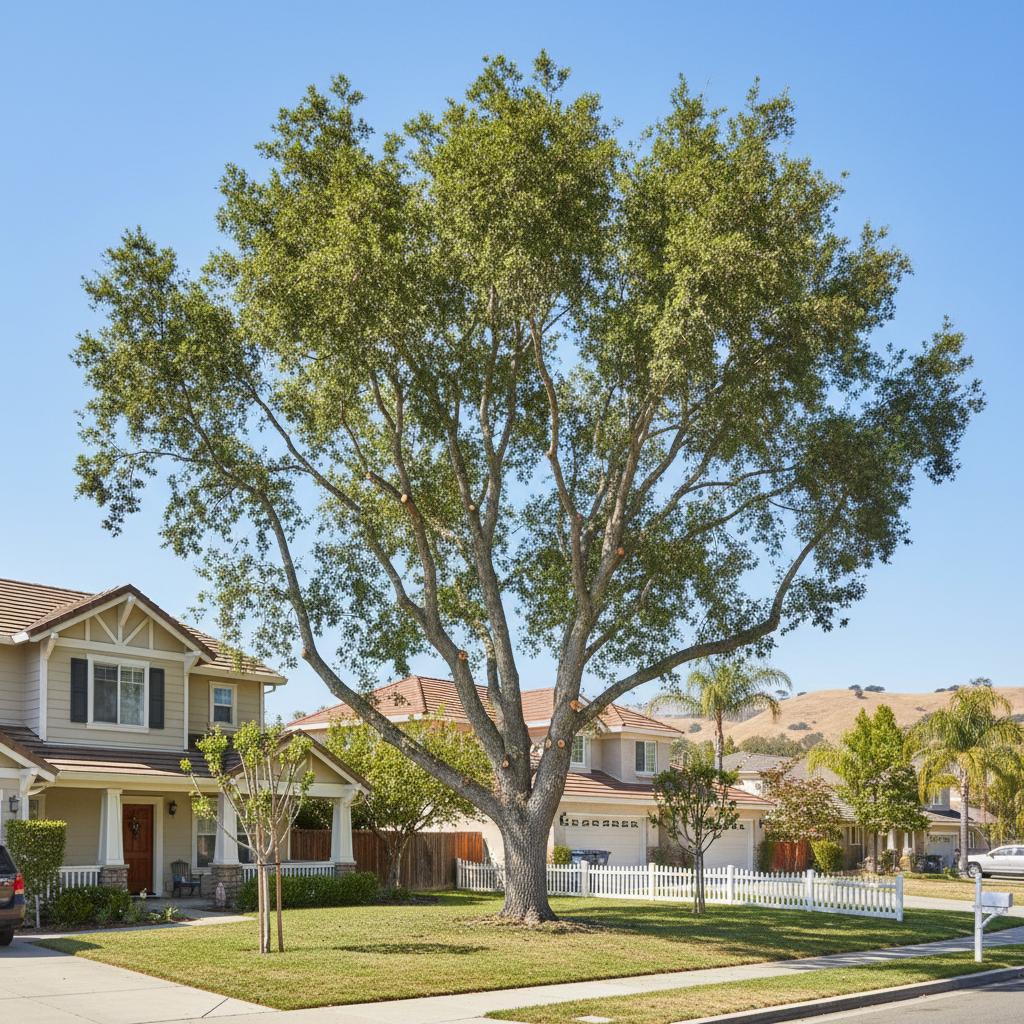
You've got trees, and you want them healthy. That's a given, right? But when it comes to getting them pruned here in Davis, it's not just about hacking off branches whenever you feel like it. Our local climate, with those long, hot summers and pretty mild, wet winters, really tells us the best times to get work done. Timing is everything if you want to protect your investment and keep your yard looking good.
Why Pruning Timing Matters Here
Think about it: trees are living things, and they react to stress. Pruning stresses them out, even when you do it correctly. If you cut a tree at the wrong time, you could open it up to disease, insect infestations, or just plain weaken it right before it needs to be strong. Here in Davis, that usually means we avoid heavy pruning right before or during our brutal summer heat waves. A fresh wound on a tree in 105-degree weather? That's just asking for trouble, honestly.
For most deciduous trees – that's the kind that loses its leaves in the fall, like your Chinese Pistache or Valley Oak – the best time for structural pruning is usually late fall or winter. Why then? The tree is dormant. It's not actively growing, so it's not putting a ton of energy into making leaves and fruit. When you make cuts during dormancy, the tree gets months to recover before the spring growth spurt. It's kind of like having surgery when you're resting; your body can just focus on healing.
Evergreen trees, like your Modesto Ash or some of the pines you see around the older parts of Davis, are a bit different. They don't have that clear dormant period. For them, light pruning for shape or to remove dead branches can often happen any time. But, for major structural work, it's still best to skip the peak of summer heat or when they're actively flushing new growth in spring.
Weather Conditions We Watch For
As a contractor, I'm always watching the weather. It's not just about our comfort; it's about safety and doing the best job for your trees. Here's what we consider:
- Rain: A little drizzle usually isn't a problem, but heavy, continuous rain? That can make climbing dangerous, turn your yard into a muddy mess, and increase the risk of fungal diseases getting into fresh cuts. We'll often reschedule if a big storm is rolling through.
- Wind: This is a big one. High winds make working in trees incredibly risky. Branches can swing unpredictably, and controlling the fall of larger limbs becomes much harder. Safety is always our number one priority at Midway Tree, so we don't work in high winds.
- Extreme Heat: Like I said, fresh cuts and extreme heat don't mix well for the tree. Plus, it's just plain dangerous for our crew. We'll often start earlier in the day or push jobs to cooler times if a heat advisory is out.
- Frost/Ice: While heavy ice is rare in Davis, prolonged hard freezes can make branches brittle and dangerous to climb. It also makes the ground hard as a rock, which isn't great for equipment.
We're not trying to be difficult when we suggest moving a date; we're just trying to keep our crew safe and ensure your trees stay healthy long-term.
Protecting Your Investment Year-Round
Pruning is a big part of it, but it's not the only thing. Think of it as a whole system:
- Watering: This is huge in Davis. Even established trees need deep, infrequent watering, especially during our dry summers. Don't just rely on sprinklers; get water down to the root zone. Drought stress weakens trees and makes them more susceptible to pests and diseases.
- Mulch: A good layer of wood chips (not piled up against the trunk!) around the base of your trees helps hold moisture, regulate soil temperature, and provides nutrients as it breaks down. It's one of the easiest and most effective things you can do.
- Inspections: Walk around your yard regularly. Look for dead branches, strange growths, insect activity, or any signs of stress. Catching problems early can save you a lot of headache and money down the road.
- Professional Advice: If you're unsure about something, call us. We're happy to take a look and give you an honest assessment. Sometimes it's a quick fix; sometimes it's a bigger job. But knowing what you're dealing with is the first step.
Your trees add value and beauty to your property. Treating them right, and understanding the rhythm of our Davis seasons, goes a long way in keeping them healthy and strong for years to come.